
![[H] Ambition Mods Kil-Lite DNA AIO](http://thevape.club/cdn/shop/files/ambition_mods_kil-lite_dna_aio_peek_cd7df8b84bd64b809769be5401536e33_649b81ba-4e48-4dfb-8b31-969ea44729ad.png?crop=center&height=20&v=1764058507&width=20)
![[H] Ambition Mods Kil-Lite DNA AIO](http://thevape.club/cdn/shop/files/ambition_mods_kil-lite_dna_box_mod_carbon_f5f6a4dbc7f34c0ab87190ace4f783d2_a812ee58-813a-40ac-bf91-80a3df9ba8d6.png?crop=center&height=20&v=1764058507&width=20)


I. Introduction
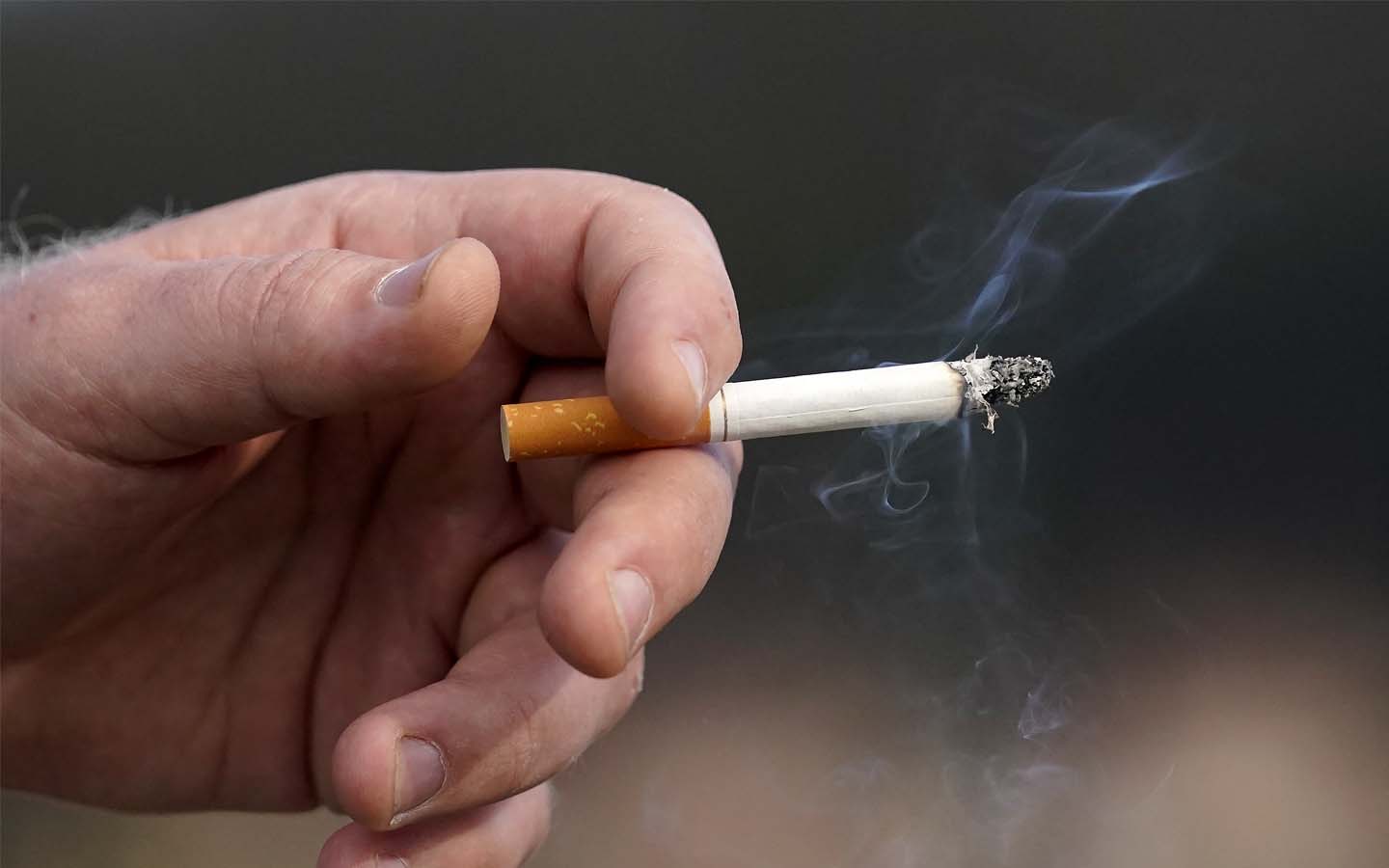
Have you ever wondered why no one seems to talk about smoking anymore? While other issues like COVID-19, climate change and air pollution get a lot of attention, smoking seems to be neglected. This is worrying, because smoking remains the leading cause of non-communicable diseases and preventable deaths.
II. Current smoking situation
According to the World Health Organization (WHO), there are currently about 8 million people dying each year due to smoking and the consequences of smoking. In particular, the rate of smoking in developing countries, including Vietnam, is increasing. This not only affects people's health but also causes great losses to the national economy.
III. Reasons for the silence on the issue of smoking
1. Excessive attention to other issues like COVID-19
As the COVID-19 pandemic spreads, public attention and government resources are focused on controlling the disease, which has led to other issues, including smoking, being pushed to the back burner.
2. Lack of resources and supportive public policies
In many countries, resources for preventing smoking and educating the public about its consequences are lacking. In addition, public policies to support people to quit smoking are not promoted.
3. The impact of the tobacco industry
Another cause is the influence of the tobacco industry, which has always tried to protect its interests by dominating information and investing in advertising campaigns.
IV. Solutions to deal with the problem of smoking
1. Raise awareness about the dangers of smoking
It is necessary to raise awareness of the dangers of smoking among the people. Health organizations and communities need to continue to carry out propaganda and education campaigns to help people understand the consequences of smoking on personal and community health.
2. Support safer tobacco alternatives like vaping
Research shows that vaping (using e-cigarettes) and burning-not-burn tobacco are less harmful than traditional cigarettes. Therefore, supporting and promoting safer alternatives to tobacco can help reduce smoking rates and reduce the risk of related diseases.
3. Promote public policy and international cooperation
Public policies such as increasing tobacco taxes, banning advertising and restricting tobacco sales near schools should be promoted. In addition, international cooperation between organizations and countries is also important in sharing experiences and resources to address the problem of smoking.
V. Conclusion
To help the Vietnamese people realize the importance of smoking, we need to continue talking about it and taking effective preventive measures. In this way, we will contribute to protecting people's health and bringing a brighter future to society.
Let's join together to raise awareness of the dangers of smoking and support those around us to quit smoking, gradually reducing the health and economic burden caused by smoking.


